IP65 explained: where a sealed emergency light is not optional
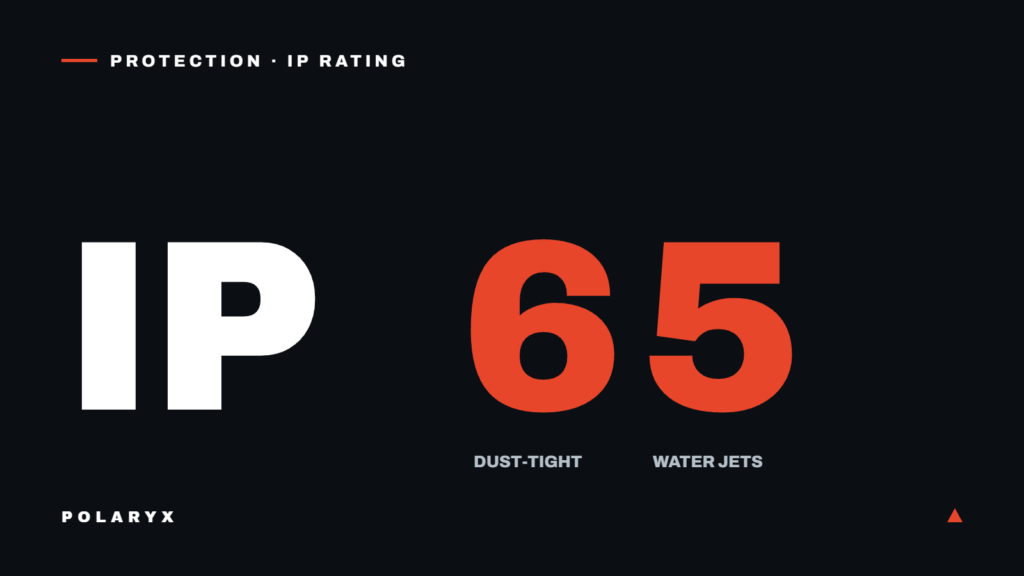
An IP rating is two separate test results written side by side. The first digit covers solid particles, the second covers water. Emergency luminaires are often specified on the second digit alone, but in many of the spaces where they fail it is dust that does the damage.
The first digit: 6
A 6 means dust-tight. No dust enters the enclosure after a test in a chamber of circulating talcum powder. For an emergency unit this matters more than for ordinary lighting, because dust settling on the driver board and battery contacts is invisible until the monthly test, or until the day the unit is needed.
The second digit: 5
A 5 means the enclosure resists low-pressure water jets from any direction, applied through a 6.3 mm nozzle. That covers rain driven under a canopy, hose-down cleaning and condensation running along a ceiling. It does not cover immersion, which is IP67 territory and rarely needed for wall and ceiling fittings.
Where IP65 belongs
Covered and underground car parks, loading bays, external escape stairs, food production and wash-down areas, cold stores, plant rooms and anywhere the fitting sits near a final exit that opens to the weather.
What to check on site
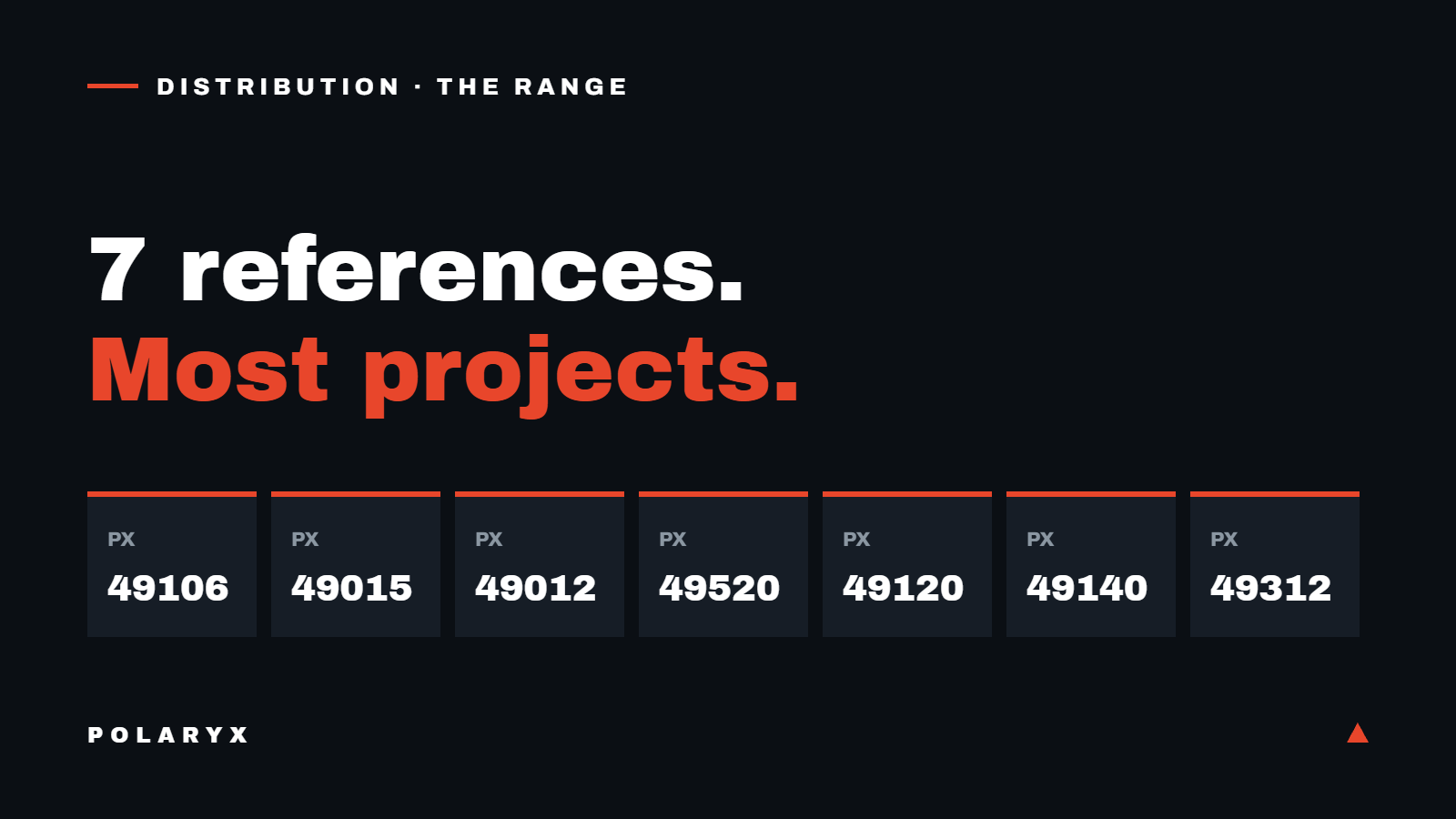
The rating only holds if the installation keeps it. Use the supplied cable glands, seal unused entries and close the diffuser clips fully after every test. All seven Polaryx references are rated IP65, so a single range covers indoor and exposed positions on the same project.