Choosing autonomy: one hour, two hours or three
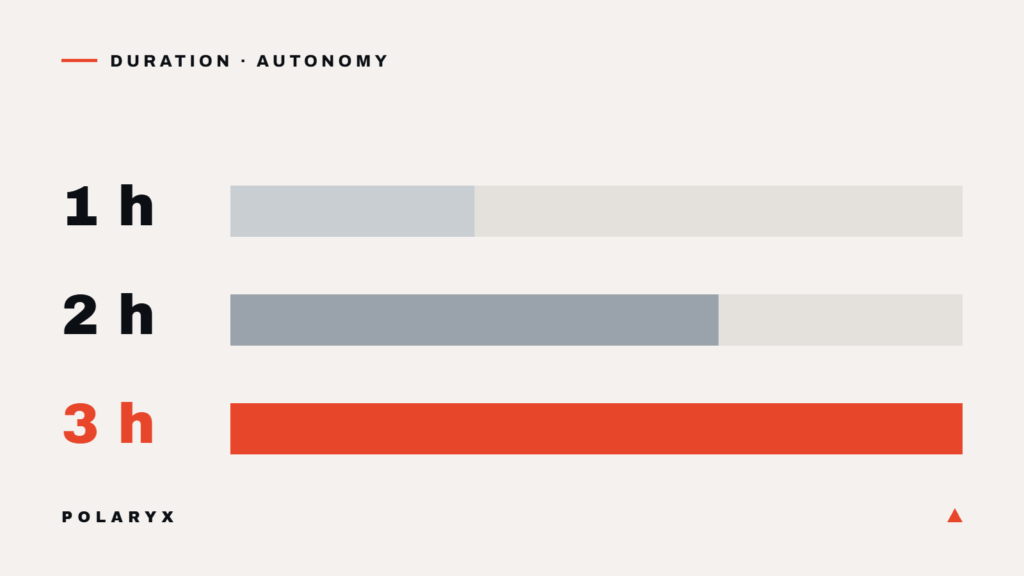
Autonomy is the time a luminaire keeps its rated output on battery after mains fails. EN 1838 sets one hour as the minimum for escape route lighting. National rules and the fire risk assessment often ask for more.
When one hour is enough
Where the building is evacuated immediately and not reoccupied until mains is restored, one hour covers the evacuation with a margin. Small offices and single-storey commercial units often fall into this category.
When three hours is expected
Premises where people sleep, such as hotels, care homes and residential blocks, and premises that may be reoccupied during a failure, such as retail and assembly spaces, commonly require three hours. So do buildings where evacuation is phased and some occupants stay in place.
Designing with margin
Battery capacity falls with age and at low temperature. A unit rated at exactly the required duration on day one may fall short after a few winters in an unheated car park. Specifying a unit whose rated autonomy exceeds the requirement keeps the installation compliant for longer.
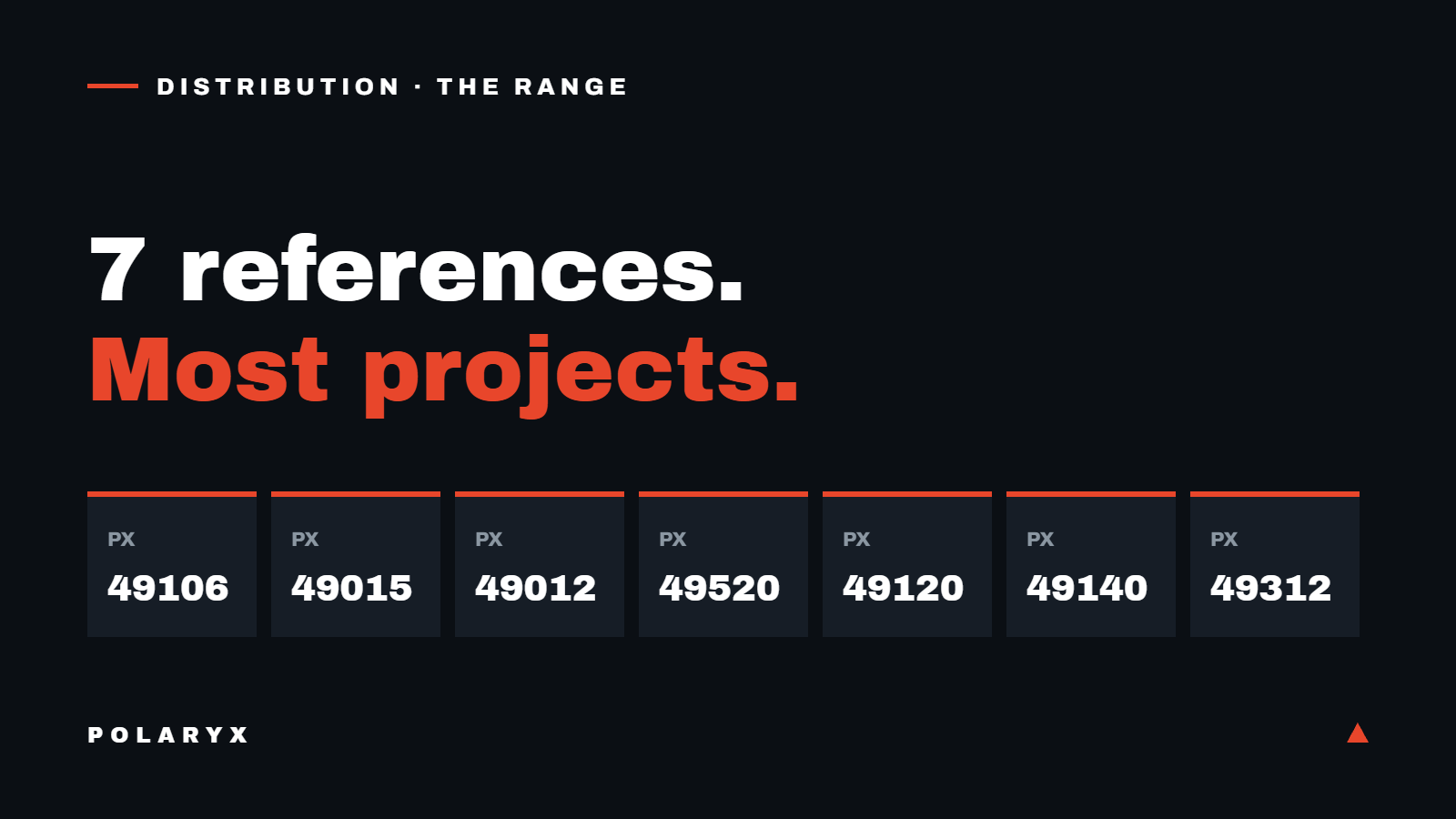
Across the Polaryx range
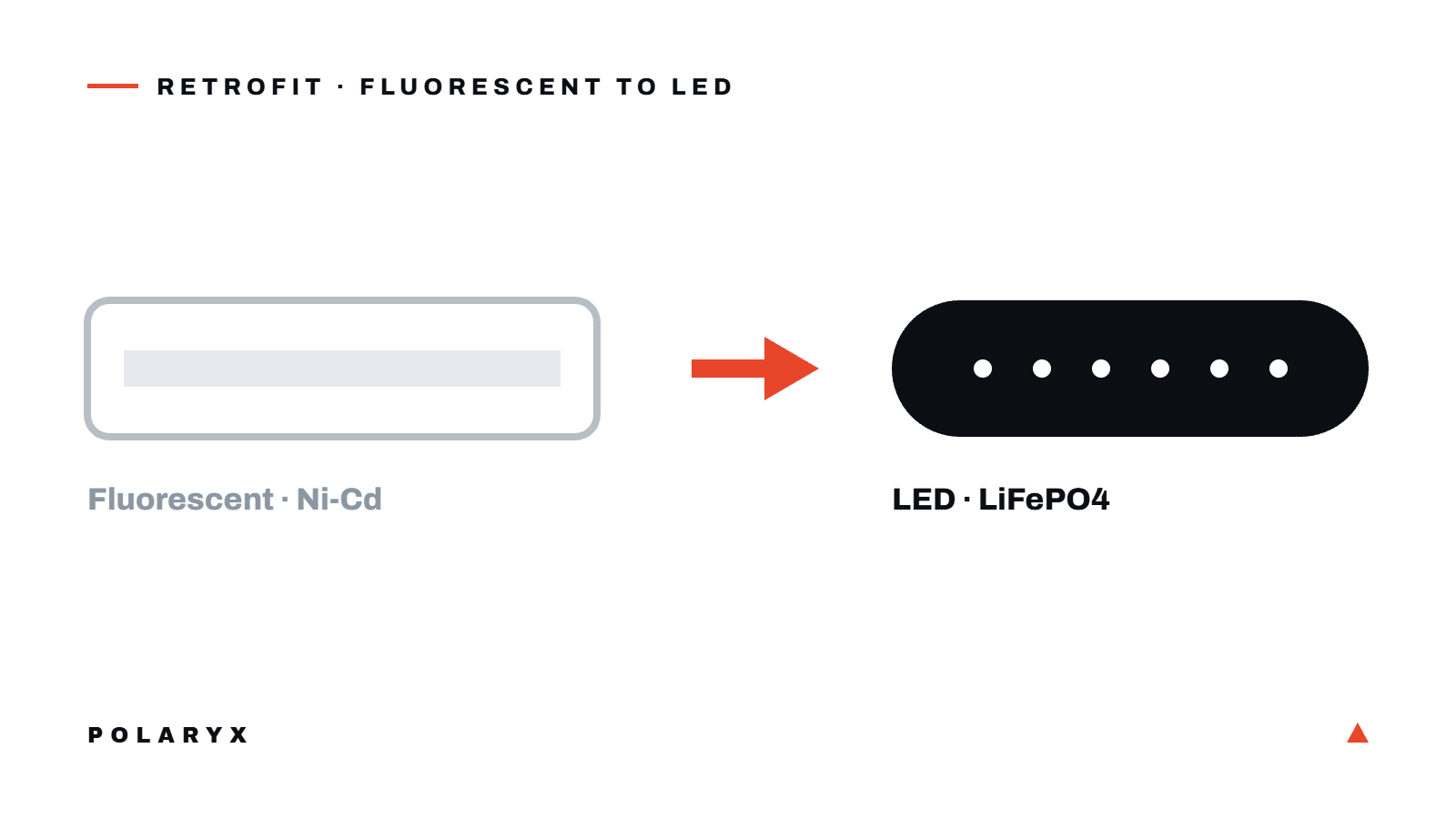
Rated autonomy runs from 2 hours up to 5 hours depending on the reference, with LiFePO4 cells on most models. Each product page lists the figure measured at full output.